
Cultural differences shape casino experiences around the world
The Historical Context of Casinos
The history of casinos is rich and diverse, tracing back to ancient civilizations where games of chance were often integrated into cultural practices. In ancient Rome, for instance, gambling was a form of entertainment among the elites, often associated with social gatherings. As societies evolved, so did the concept of gaming establishments, leading to the establishment of formal casinos in the 17th century in Italy. These early establishments catered to the affluent, which, along with platforms like darts betting sites, reflects societal structures of the time and set the stage for the modern gambling industry.

Throughout history, different regions have embraced gambling in unique ways. In the 19th century, casinos began to sprout in places like Monte Carlo, attracting wealthy patrons from across Europe and showcasing a luxurious lifestyle. This evolution not only shaped the architecture and ambiance of casinos but also created a cultural significance around gaming as a leisure activity. The glamour associated with these venues became a reflection of the era’s societal values, underlining how cultural context heavily influenced casino experiences.
In the United States, the gaming landscape saw its transformation with the legalization of gambling in Nevada in the 1930s. Las Vegas emerged as the gambling capital, characterized by its extravagant casinos and entertainment options. This shift was influenced by the American Dream concept, which emphasized individual freedom and the pursuit of wealth. Consequently, the Las Vegas casino experience is often marked by high-energy environments and extravagant themes, reflecting broader American cultural values of risk-taking and ambition.
Cultural Attitudes Toward Gambling
Cultural attitudes toward gambling vary widely around the world, significantly shaping the casino experience. In some cultures, such as those in parts of Asia, gambling is often intertwined with traditional practices and communal gatherings. Countries like China celebrate games like Mahjong and the annual Lunar New Year with various forms of betting, highlighting a cultural acceptance of gambling as a social activity. In these contexts, casinos may incorporate elements that resonate with local customs, enhancing the overall experience for patrons.
Conversely, in regions where gambling is stigmatized or prohibited, casino experiences are often more subdued or even secretive. In many Middle Eastern countries, for example, stringent laws against gambling can lead to underground gambling activities. This creates an entirely different atmosphere that is shrouded in secrecy and may lack the vibrant, social nature commonly found in more gambling-friendly cultures. Such stark contrasts illustrate how cultural perspectives on gambling dictate the design, operation, and ambiance of casinos worldwide.
Moreover, societal attitudes toward luck and chance also influence how people engage with casinos. In cultures that place a strong emphasis on fate or destiny, such as in Japan, patrons may approach gambling with a sense of reverence rather than sheer entertainment. This can lead to a more contemplative casino experience, where patrons focus on the rituals associated with gaming rather than just the outcome. Understanding these nuanced cultural perspectives is crucial for casino operators looking to create tailored experiences that resonate with diverse audiences.
The Role of Casino Design and Ambiance
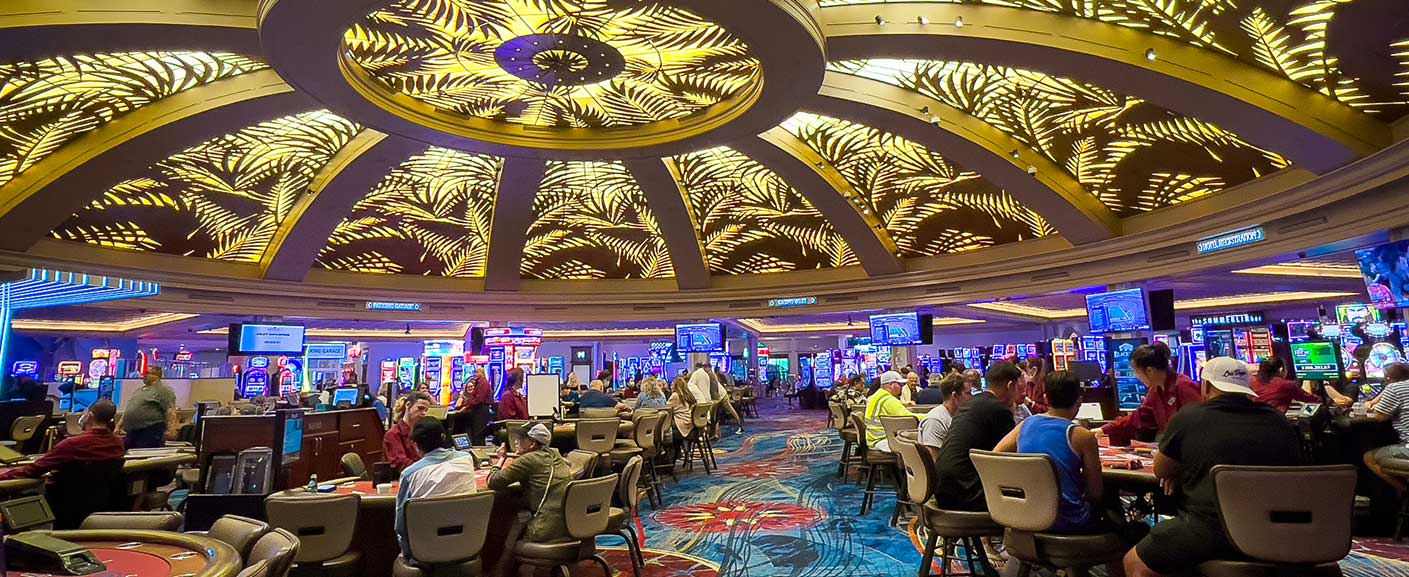
The design and ambiance of casinos are heavily influenced by cultural factors, impacting how guests experience gaming. For instance, Las Vegas casinos are known for their extravagant designs, often themed around popular culture, fantasy, or luxury. This reflects the American penchant for spectacle and entertainment, drawing visitors into a world of excess where the gambling experience is deeply integrated with visual stimulation and performance. The use of bright lights, elaborate decor, and live entertainment showcases a unique approach to engaging patrons.
In contrast, casinos in countries like Italy may emphasize elegance and a more subdued atmosphere. Italian casinos often reflect classical architecture and design, prioritizing sophistication over sheer spectacle. This ambiance caters to a clientele that appreciates the aesthetic value of the gaming environment, aligning with cultural preferences for refined experiences. The subtlety in design choices serves to create a tranquil space for gambling, allowing patrons to enjoy the game without overwhelming distractions.
Furthermore, the integration of local culture into casino environments serves to enhance the overall guest experience. For instance, casinos in Macau seamlessly blend Western gaming styles with Asian cultural elements, such as feng shui principles in their layout and design. This cultural fusion attracts a diverse clientele and creates an engaging atmosphere that resonates with both local and international visitors. Such strategic design choices reflect an understanding of the importance of cultural context in shaping the overall casino experience.
Culinary Experiences in Casinos
Food and drink play a crucial role in the overall casino experience, with offerings often reflecting the local culture. In Las Vegas, for example, celebrity chef-led restaurants contribute to the extravagant dining scene, allowing patrons to indulge in high-end cuisine as part of their gaming experience. The integration of diverse culinary options not only enhances the overall enjoyment of visitors but also reinforces the notion that casinos are entertainment hubs rather than just places to gamble.
On the other hand, casinos in Europe may focus on traditional and regional dishes, providing guests with a taste of local flavors. This cultural emphasis on cuisine not only enriches the overall casino experience but also invites patrons to engage more deeply with the cultural context of the region. By presenting food as an integral part of the gambling experience, casinos can create a more immersive environment that resonates with local customs and preferences.
Moreover, the approach to beverages varies widely by culture, with some regions offering unique drink experiences that align with local traditions. In many Asian casinos, for instance, tea ceremonies or local spirits may be featured prominently, enhancing the cultural significance of gambling. By integrating culinary experiences into the casino environment, establishments can create a more holistic experience that caters to the preferences and expectations of their diverse clientele.
Embracing Diversity in Casino Experiences
As global travel becomes more accessible, casinos are increasingly recognizing the importance of embracing cultural diversity in their offerings. By catering to a broad range of cultural preferences, casino operators can attract a more diverse audience and create tailored experiences that resonate with their visitors. This involves not only adapting gaming options but also offering culturally relevant entertainment, dining, and hospitality services that reflect the multicultural landscape of today’s society.
Additionally, the rise of online casinos has further highlighted the need for cultural sensitivity in gaming experiences. Online platforms can easily reach a global audience, requiring operators to consider cultural nuances when designing their interfaces and promotional strategies. This adaptability can significantly enhance user experiences, making it crucial for online casinos to understand the diverse needs of their player base. As a result, operators can create inclusive environments that celebrate cultural differences, fostering a sense of belonging for players from various backgrounds.
Ultimately, the global casino landscape is evolving as cultural diversity takes center stage. By recognizing and valuing the unique perspectives and preferences of various cultures, casino operators can create engaging and enriching experiences that go beyond mere gaming. This commitment to inclusivity ensures that casinos remain vibrant and relevant in a rapidly changing world, appealing to a broad spectrum of guests and enriching the overall gambling experience.